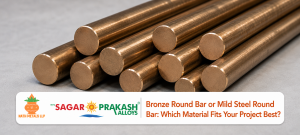

C10100, C10200 and C11000 cover most electrical component work, while C12200 handles water-service parts. Copper bars carry current in switchgear and feed machined fittings in plumbing lines. Engineers choose copper for its electrical conductivity, heat transfer, corrosion resistance and ease of fabrication. Each grade balances those four differently: higher purity lifts conductivity, phosphorus deoxidation improves brazing, tellurium cuts machining time. Choosing correctly between copper bar grades for plumbing applications and electrical grades determines whether the finished component performs reliably in service.
Why Copper Bars Are Used in Electrical and Plumbing Components
Pure copper conducts electricity at roughly 100% IACS, so conductor cross-sections stay compact and joint losses stay low. Thermal conductivity near 390 W/m·K moves heat away from busbar connections and heat exchanger parts. A stable surface oxide film resists atmospheric attack and most potable water chemistries. Fabricators bend, machine, braze and solder copper without specialised tooling. Components that sit in damp or fully submerged service hold their integrity for decades, which accounts for copper’s record across both trades.
Common Copper Bar Grades for Electrical and Plumbing Applications
Five grades account for the bulk of component demand in these two sectors. Suppliers stock them as copper bars, flats and rods under ASTM B187 and related specifications.
- C10100 / OFE Copper: oxygen content below 0.0005% and conductivity rated at 101% IACS. The vacuum-melted route removes residual gases almost completely. High-power conductors, waveguides and vacuum-tube components rely on that purity, since even trace oxide inclusions disturb electrical and thermal behaviour.
- C10200 / OF Copper: oxygen-free copper delivering 100% IACS with strong resistance to hydrogen embrittlement. Parts joined by hydrogen-bearing brazing or welding cycles hold up where tough pitch copper would crack. Electrical conductors and sealed assemblies both use it.
- C11000 / Electrolytic Tough Pitch (ETP) Copper: the most widely produced commercially pure grade. A small residual oxygen content refines the grain and improves formability, and conductivity remains at 100% IACS. Fabricators roll, punch and bend it into copper busbar sections, terminals and earthing bars.
- C12200 / DHP Copper: phosphorus-deoxidised copper carrying 0.015 to 0.040% phosphorus. Conductivity falls to about 85% IACS, but weldability and brazing performance improve sharply. Tube, fittings and DHP copper tube stock for water service use this grade almost exclusively.
- C14500 / Tellurium Copper: 0.40 to 0.70% tellurium raises the machinability rating to around 80 to 90% of free-cutting brass, with conductivity still near 90% IACS. Screw-machined contacts and turned connector bodies suit it well.
Which Copper Grades Are Best for Electrical Components?
Conductivity governs grade choice here because every percentage point lost raises resistive heating at the joint. C11000 handles the majority of busbars, connectors, terminals and switchgear parts, and it costs less than the oxygen-free grades. C10100 and C10200 step in where brazed joints, vacuum sealing or very high current densities make residual oxygen a liability. Heavy machining work shifts the balance: tellurium copper rods trade a little conductivity for far shorter cycle times. Required conductivity, fabrication route and operating conditions together decide the specification.
Which Copper Grades Are Suitable for Plumbing Applications?
C12200 dominates water-service component production. Deoxidation with phosphorus leaves no oxygen to react during brazing, so joints stay sound through repeated thermal cycles. The grade resists corrosion in most potable and chilled water systems, and it forms cleanly into fittings, tubes, valve bodies and connection pieces. Water chemistry still matters: soft, acidic or high-chloride supplies accelerate attack, and elevated temperature or pressure narrows the safe envelope. Check applicable plumbing codes and water quality data before you confirm the material.
Factors to Consider When Selecting a Copper Bar Grade
The following technical and commercial points shape the final grade decision.
- Required electrical conductivity in % IACS
- Corrosion exposure and surrounding environment
- Compatibility with the water or process fluid carried
- Mechanical strength and hardness are needed in service
- Machining volume and tolerance requirements
- Welding, brazing or soldering method planned
- Maximum continuous operating temperature
- Component dimensions and available bar sizes
- Applicable ASTM and UNS designations
- Supplier quality systems and mill test certification
Copper Bar Grades: Electrical vs Plumbing Applications
Selecting the right copper bar grade ensures reliable performance. Here is how common grades compare for electrical and plumbing applications:
| Copper Grade | Key Property | Typical Application |
| C10100 | Very high conductivity | Electrical components |
| C10200 | High conductivity | Electrical components |
| C11000 | High conductivity and formability | Electrical components |
| C12200 | Good weldability and corrosion resistance | Plumbing components |
| C14500 | Improved machinability | Machined electrical components |
Treat the table as a starting point. Match the grade to the component’s actual operating load and fabrication sequence rather than to its general category.
Conclusion
Copper grades differ measurably in conductivity, machinability, weldability and corrosion behaviour, and those differences decide fitness for purpose. C10100, C10200 and C11000 answer most electrical duties, while C12200 remains the reference choice among copper bar grades for plumbing applications and water-service parts. Confirm operating conditions, applicable standards and fabrication requirements against mill certification before you release a purchase order.